







Search Results for: topping station
Kenya AA Fram Estate Wins the 2017 East Africa Harvest Season Flavor Competition Championship
The results of the 2017 Taste of Harvest (TOH) East Africa competition's Kenya division have been announced. Fram Farm from the Kirinyaga production area took first place with a score of 85.3. This AA-grade auction lot was secured by Qingdao Fisher Coffee, making it another African TOH champion bean following Ethiopia's Gesha and Uganda's entries. Fram is a family-run private farm with its own washing station, and its main varieties are SL28 and SL34. This article will explore multiple angles including the farm's background, the development history of Kenyan coffee, the grading system, and the K72 washing process, along with Front Street Coffee's brewing recommendations and a flavor description of Kenyan small tomato beans, taking you through the full story behind this champion bean. [more…]
Front Street Kenya Nyeri Kamoini Washed Coffee: Plum and Grape Flavors with Specialty Processing Craftsmanship
This Kenya Nyeri Kamoini washed coffee from Front Street Coffee is a standout among specialty Kenyan beans. It gives off a bright citrus aroma, with lemon and lime interwoven with notes of tomato, cranberry, black tea, and white grape, plus a champagne-like effervescence on the palate. Such a refined flavor stems from the Red Cherry Project's dedication to quality and the Kamoini washing station's meticulous control over picking, washing, fermentation, and drying. This article will walk you through the Kamoini washing station's geographical advantages, green bean characteristics, and variety background, and taste this limited-edition coffee's plum, raisin, and sweet finish. [more…]
What variety is Huakui coffee? How does Huakui 8.0 differ from 7.0? Is Huakui the same as Geisha?
Friends who enjoy coffee with fruity acidity are certainly no strangers to Front Street Coffee's Ethiopia Sidamo Huakui. Since this bean first appeared in 2017, it has gone through eight harvest seasons, and the latest batch has, as usual, been named "Huakui 8.0." Many people new to specialty coffee often confuse Huakui with Geisha, and some even think Huakui is a top-tier Geisha—but in reality, the two are completely different. This article will start with Huakui's origin background, the story behind its name, and the meaning of its version numbers, then combine that with the actual brewing performance of Front Street Coffee's Ethiopia Sidamo Natural Huakui 8.0 to give you a comprehensive understanding of this champion bean's past and present, and to explain exactly what its signature "Huakui flavor" really is. [more…]
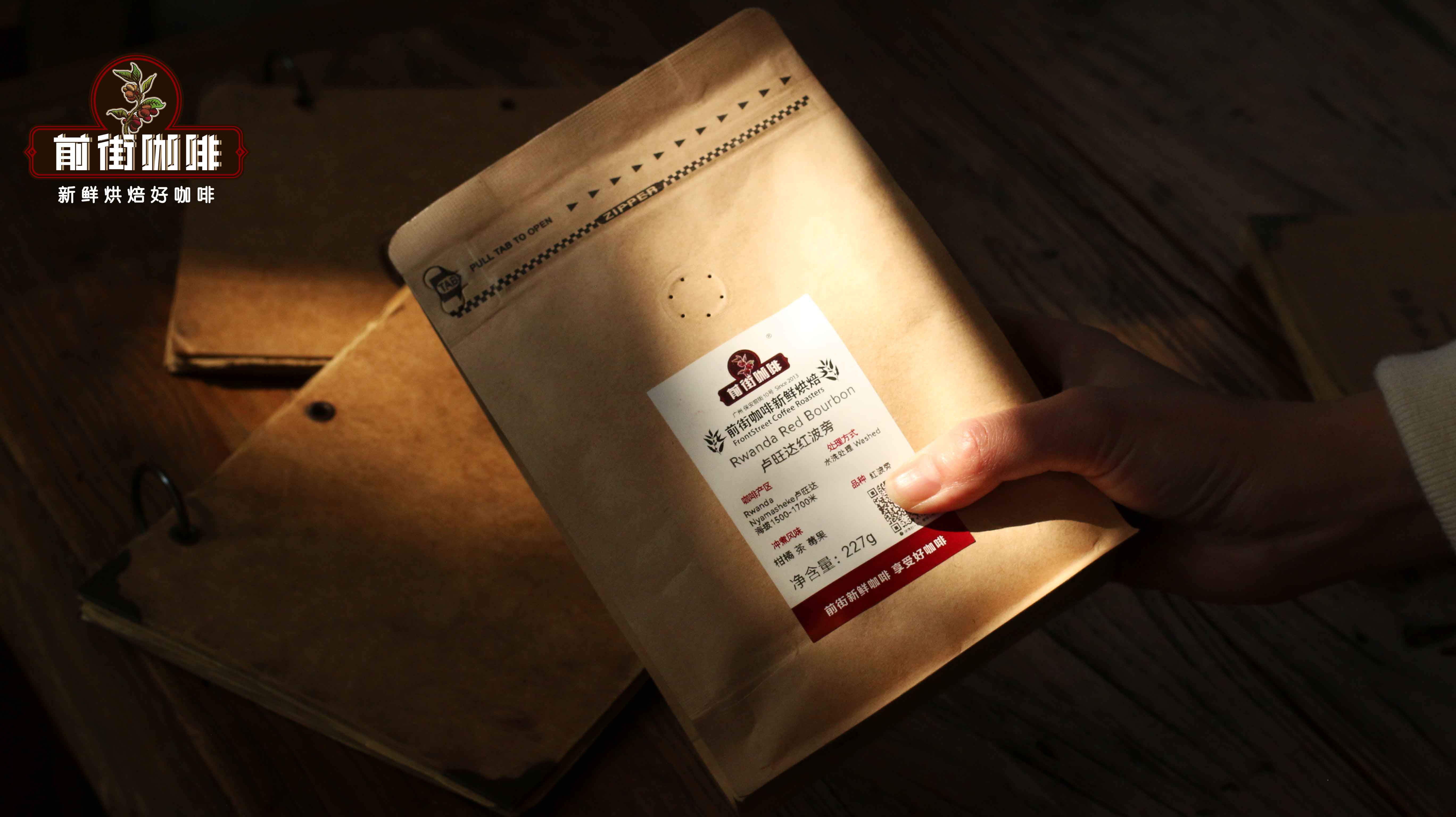
Rwanda Coffee Beans: Origin Story, Flavor Characteristics, and Starbucks Connection · Front Street Coffee Recommendation
Rwanda, an African landlocked country known as the "Land of a Thousand Hills," is steadily gaining attention among specialty coffee enthusiasts thanks to its stable Bourbon varieties and excellent washed processing techniques. From German missionaries introducing coffee, to the PEARL and SPREAD programs driving industry upgrades, and then to Starbucks' stunning debut of "Blue Bourbon," Rwandan coffee has traveled an extraordinary path. After comparing multiple producing regions, Front Street Coffee has selected and launched two coffee beans: Rwandan Washed Red Bourbon and Nyamamba. The former comes from the high-altitude Nyamasheke region, while the latter is produced by a thousand smallholder farmers in Rusizi. This article takes you through a comprehensive look at the development story, growing environment, producing region distribution, processing methods, and cupping flavors of Rwandan coffee, so you can experience the bright citrus acidity and caramel sweetness unique to African specialty coffee. [more…]
An Analysis of Rwandan Coffee Bean Origins, Flavors, and Processing Methods: From Gaseke Washed Bourbon to Starbucks Blue Bourbon
Rwanda, a high-altitude coffee-producing country in central Africa, is gradually coming into the view of coffee enthusiasts. This article starts from Rwanda's coffee history and development, growing environment, main producing regions, and washed processing method, and provides a detailed review of the country's coffee industry transformation, including the promotion of the PEARL and SPREAD programs, its performance in the COE competition, and the origin of Starbucks' "Blue Bourbon." At the same time, the Rwanda Giseke Washed Bourbon and Nyanmba Washed coffee beans launched by Front Street Coffee also provide specific roasting suggestions, cupping flavors, and brewing parameters, helping readers fully understand the unique charm of Rwandan specialty coffee. [more…]
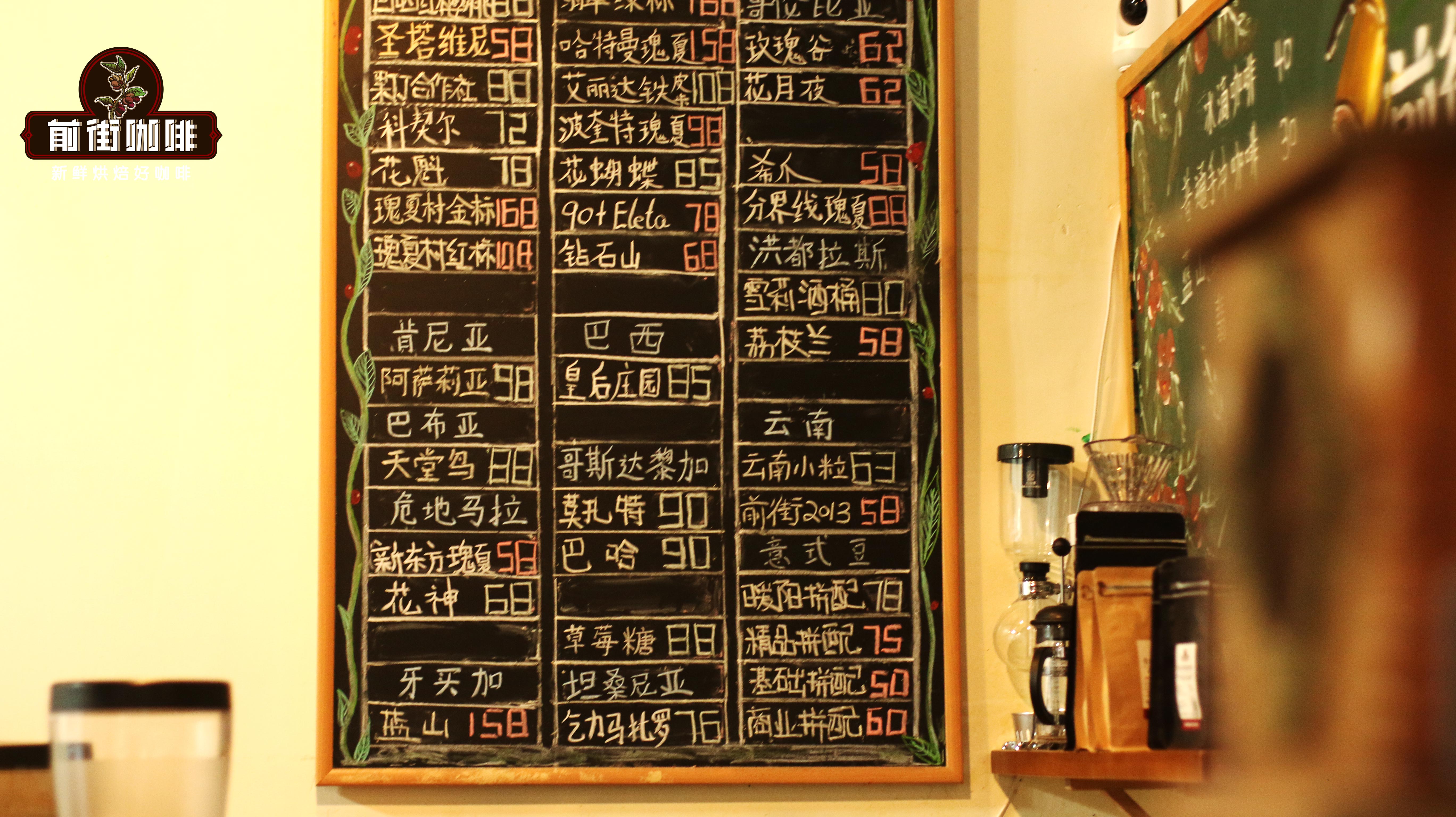
Overview of African Coffee-Producing Countries: Flavor Profiles and Top Picks of Specialty Beans from Ethiopia to Tanzania
Africa is the continent of coffee's origin and the most distinctive flavor coordinate in the world of specialty coffee. From the floral and citrus notes of Ethiopia and the berry and dark plum notes of Kenya, to the washed Bourbon of Burundi and Rwanda and the cocoa sweetness of Tanzania's Kilimanjaro, this land has won over countless coffee lovers with its vibrant fruit acidity and lively aromas. Front Street Coffee will guide you through a systematic overview of the regional characteristics, cultivation models, processing methods, and signature beans of Africa's major coffee-producing countries, so you can gain a deeper understanding of the unique charm of African beans and the key points of tasting them. [more…]
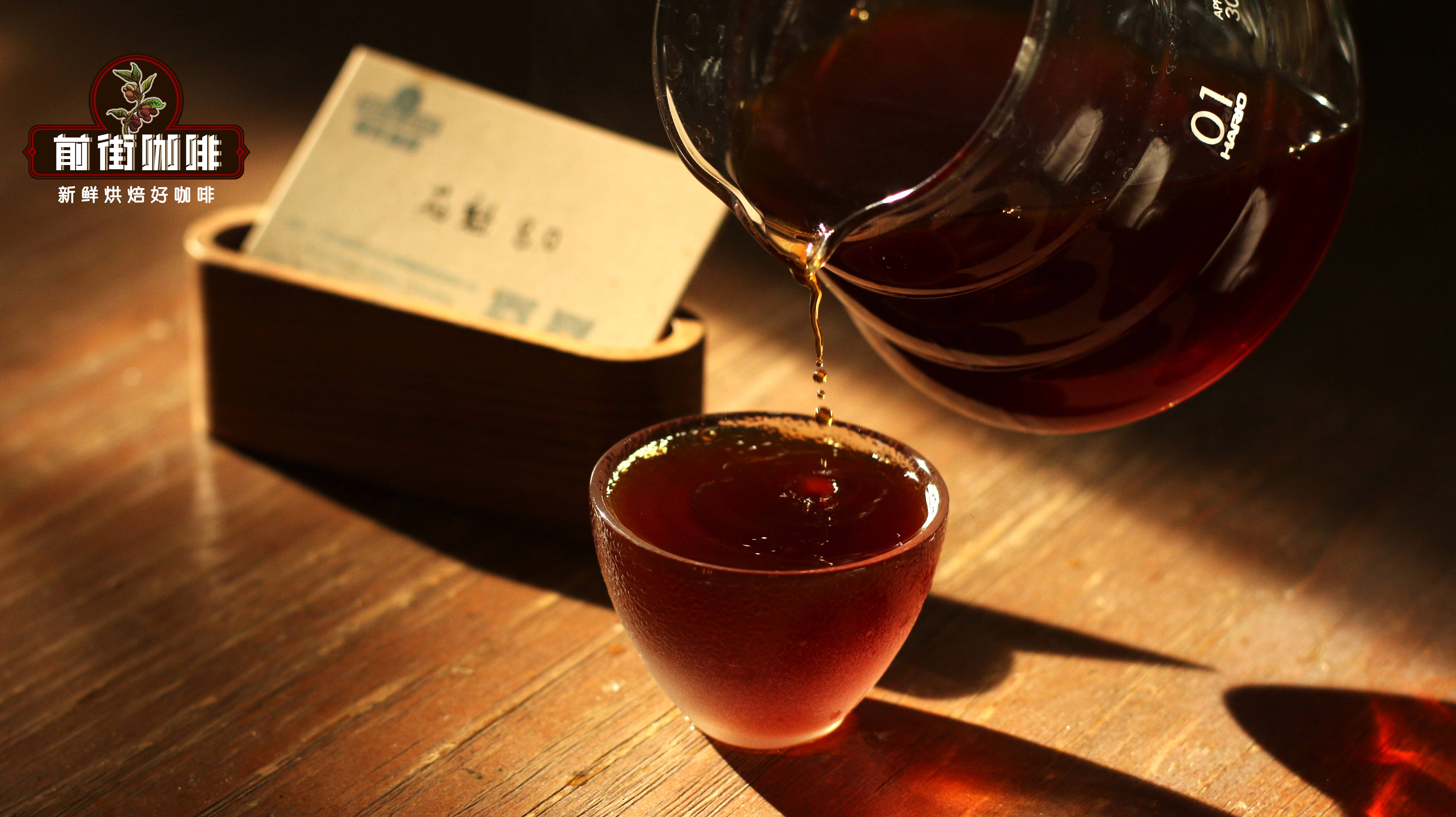
Ethiopia Sidamo Hambela Huakui 4.0: Dega Variety Natural-Process Coffee Bean Flavor and Pour-Over Analysis
In 2017, a naturally processed coffee from the Buku processing station in Ethiopia won the TOH competition and was named "Huakui" by a Chinese green bean trader, thus beginning the legendary journey of this coffee. Four years later, Huakui 4.0 was released with the entirely new Dega variety, with the production area expanded several times over, more scientific cultivation and management, and even better flavor performance. This article will take you through the origin background of Huakui 4.0, the characteristics of the Dega variety, the natural processing method, and Front Street Coffee's roasting and pour-over recommendations, offering a comprehensive analysis of this highly anticipated Ethiopian coffee. [more…]
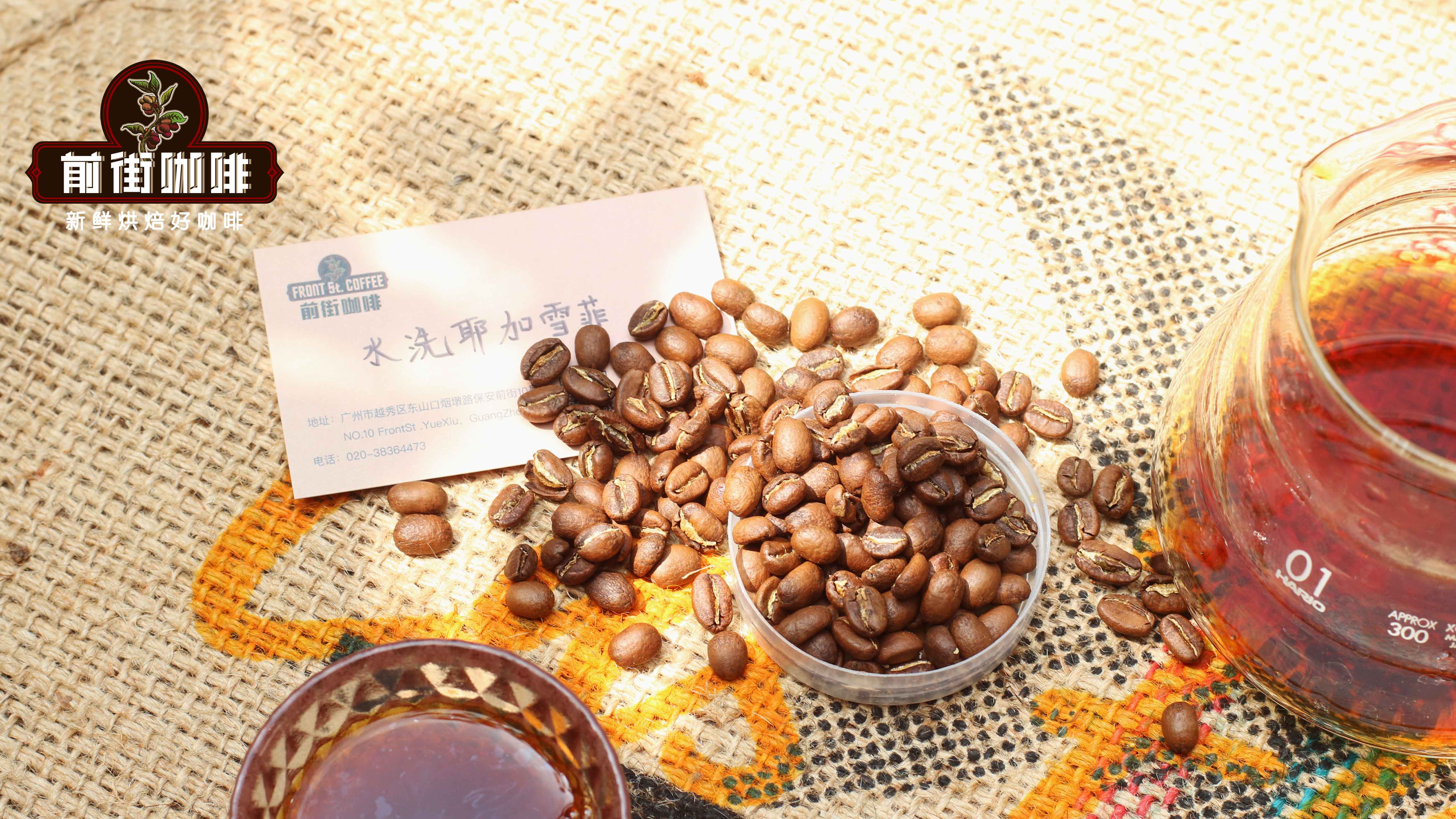
Ethiopia Top-Grade Natural Yirgacheffe Aricha G1: The Champion Flavor and Tropical Fruit Notes of Front Street Specialty Coffee
In the world of specialty coffee, Front Street Natural Yirgacheffe Aricha G1 represents the highest grade of green beans from Ethiopia. This Grade 1 natural bean from the Kebel Aricha processing station is meticulously crafted from hand-selected berries by 650-700 smallholder farmers and sun-dried on raised beds for four to six weeks, and it once scored 95 points on the international cupping website Coffee Review. It not only boasts apricot blossom, jasmine, and tropical fruit flavors such as apricot, mango, and pineapple, but also breaks the stereotype that natural beans lack cleanliness with its honey-brown sugar sweetness and clean, easy-drinking mouthfeel. This article will take an in-depth look at the processing methods and flavor layers of this champion natural bean, compare the stylistic differences between washed and natural processing, and guide you through the unique charm of Front Street Yirgacheffe. [more…]
A Full Analysis of the Origin Legend and Flavor Characteristics of Each Generation of Ethiopian Gesha Coffee Beans
Huakui coffee is one of the most talked-about natural beans from Ethiopia in recent years, winning over countless coffee lovers with its signature strawberry-cream flavor. Why was this bean given the name "Huakui" (meaning "chief of flowers")? From its 2017 TOH championship to today's Huakui 5.0 and 6.0, what is the connection and difference between the various versions? From the perspective of Front Street Coffee, this article sorts out the origin of the Huakui name, its version evolution, producing-area background, and variety characteristics, and also includes Front Street's roasting approach and V60 brewing parameters, giving you a comprehensive understanding of this Ethiopian coffee that combines both story and flavor. [more…]
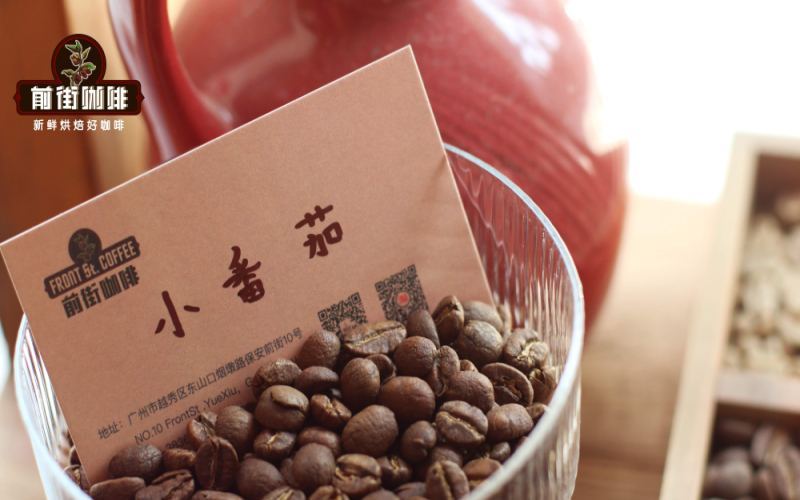
Kenya AA Coffee Bean Flavor Analysis: Small Tomato and Smoked Plum Notes from the Thika Region and the K72 Washed Processing Method
Kenyan coffee occupies a unique position in the global specialty coffee landscape thanks to its bright fruit acidity and full body. Among them, the AA grade, as the highest specification for bean size, is often regarded as synonymous with Kenyan specialty beans. This article starts with the AA TOP lot from the Asali Honey Processing Station in Kenya's Thika region, currently sold by Front Street Coffee, and systematically reviews Kenya's main coffee-producing regions, the characteristics of varieties such as SL28 and SL34, the AA grading standard, and the most representative K72 washed processing method. By comparing the differences in acidity with Ethiopian coffee, it helps readers understand the source of Kenyan coffee's intense, substantial acidity, as well as the processing logic behind flavors reminiscent of cherry tomatoes and smoked plums. [more…]
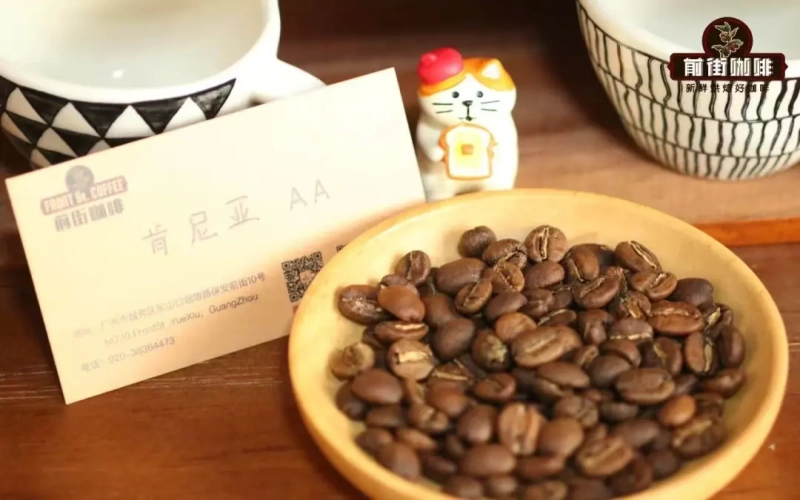
An Analysis of Kenya Coffee's Grading System and Flavor Characteristics: From AA to Peaberry, Getting to Know One of the World's Top Producing Regions
Kenyan coffee occupies a pivotal position in the global specialty coffee landscape, and its bright, uplifting acidity and rich layers of complexity have fascinated countless coffee lovers. Yet when confronted with the letter combinations such as AA, AB, and PB on Kenyan coffee bean labels, many people are not clear about what they actually mean. In fact, these designations originate from Kenya's official coffee grading system, which takes into account multiple factors such as bean size, shape, and hardness. This article will systematically sort out Kenya's complete coffee grading system, explain the specific standards for each grade, and clarify the difference between the secondary grading set by green bean traders themselves and the official grades. At the same time, Front Street Coffee will also draw on its own sourcing experience to share the roasting and brewing approach for an AA-grade Kenyan bean from the Asaliya processing station. [more…]
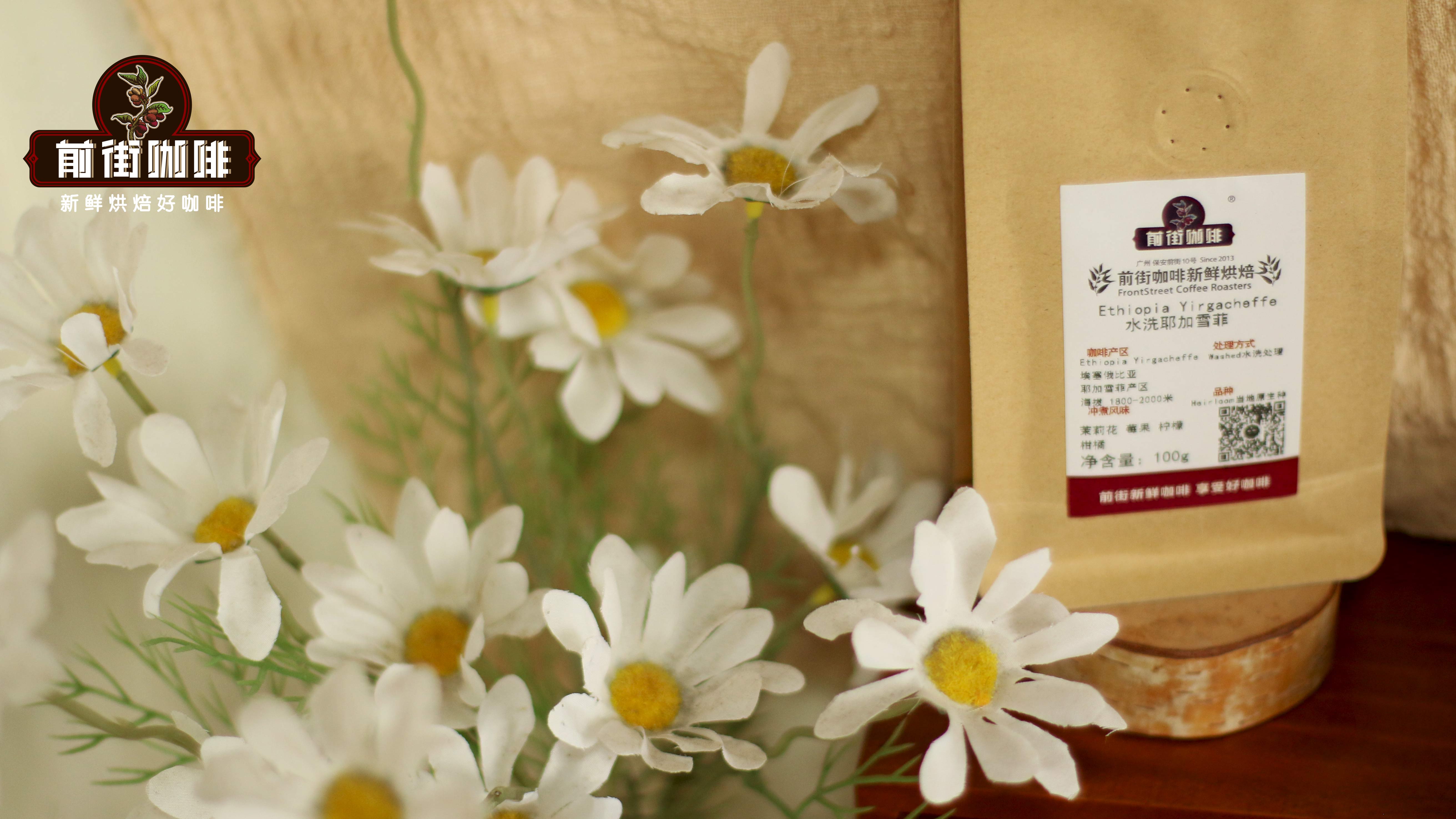
Yirgacheffe Misty Valley: The Terroir Story of Misty Valley and an Analysis of the Unique Charm of Natural-Process Beans
Yirgacheffe is renowned worldwide for its signature floral and citrus-lemon notes. After gaining independence from the Sidama region in 1995, it gradually became one of Ethiopia's most iconic coffee-producing regions. Among Yirgacheffe's many micro-regions, Misty Valley—with its high altitude, traditional natural processing, and the top-tier production of the Aricha processing station—has become a name of great prominence in the specialty coffee world. Front Street Coffee's Yirgacheffe Misty Valley is a classic representation of this region. This article will outline Misty Valley's geography and cooperative background, review the history of Baghi's improved natural method, and interpret the unique character of washed and natural processing existing side by side in this area. [more…]
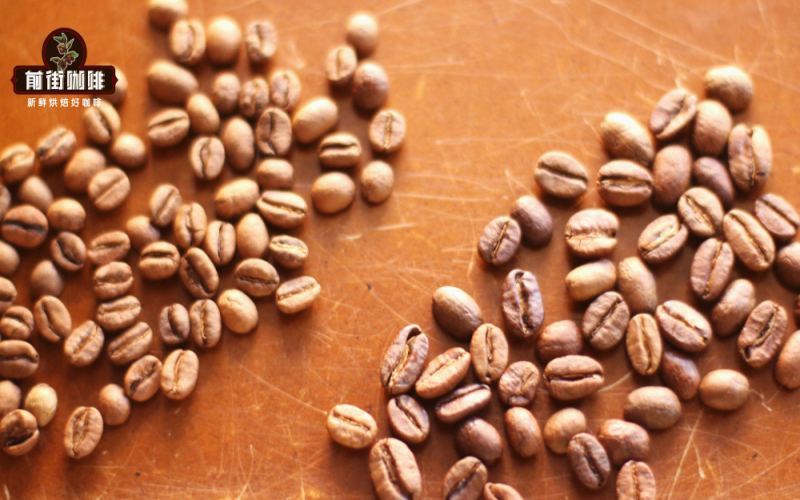
Sidamo Huakui and Panama Geisha: An In-Depth Interpretation from Naming Origins to Flavor Differences
Huakui and Geisha—one is a star among Ethiopian natural beans, the other a legendary variety that emerged from Panama. The two are often compared, and at one point a saying even circulated that "Huakui is top-tier Geisha." Where did this misunderstanding come from? And what story lies behind the two names "Geisha" and "瑰夏"? Front Street Coffee will walk you through variety origins, naming systems, and grading, all the way to flavor expression, to help you sort out the distinct threads of Huakui and Geisha. The article also explains the meanings of "label" Geishas such as Hacienda La Esmeralda Red Label and Geisha Village Gold Label, as well as the origin of Huakui version numbers, helping coffee lovers avoid confusion when ordering and shopping. [more…]

Top 10 Famous Coffee Bean Origins and Brands Worldwide: From Yirgacheffe to Blue Mountain, a Practical Guide for Beginners Choosing Beans
For beginners just getting into specialty coffee, the sheer variety of coffee beans on the market can be overwhelming, and some turn straight to coffee brand rankings—but Front Street Coffee believes a high ranking doesn't mean a bean suits you. The truly reliable way to choose beans is to first understand the flavor differences among the three major producing regions—Africa, Asia, and Latin America—and then pick based on your personal taste preferences. Compiled by Front Street Coffee, this article systematically sorts through ten of the world's most representative coffee beans—including Yirgacheffe, Kenya, Indonesian Mandheling, Panama Geisha, Honduras Sherry, Guatemala Mariposa, Costa Rica, Colombia, Brazil, and Jamaica Blue Mountain—introducing each one's regional background, processing method characteristics, and brewing flavor, to help beginners avoid missteps and find the cup that truly suits their taste. [more…]

Ethiopian Huakui Coffee Beans Guji Hambela Region Flavor Analysis and Pour-Over Parameters Tutorial
Ethiopia is a genetic treasure trove of coffee, and the Hambela micro-region in the Guji zone has risen to prominence on the world stage thanks to a sun-dried bean. This coffee, named "Huakui" by a Chinese importer, has won over countless coffee lovers with its intense strawberry and cream aromas. Every year, Front Street Coffee travels deep into the Buku Abel processing station to purchase the season's Huakui, dissecting the flavor code of this bean layer by layer, from variety and processing method to roasting and brewing. This article will systematically outline Huakui's regional background, varietal characteristics, and sun-drying process, and include a three-pour V60 hand-brewing tutorial from Front Street Coffee to help readers consistently reproduce Huakui's citrus acidity and berry sweetness. [more…]

Zhengzhou BRT stations introduce Mixue Bingcheng outlets, sparking concerns over planning permit disputes and occupation of tactile paving
Zhengzhou Bus Group has teamed up with Mixue Bingcheng to open a store inside a bus rapid transit station, with the first pilot located on the west side of the intersection of Huayuan Road and Nongye Road. This attempt is seen as an extension of bus services, allowing passengers to buy drinks while waiting for their bus and even enjoy discounts with their ride records. However, the store's construction is alleged to have proceeded without a construction land planning permit. The Jinshui District Urban Comprehensive Law Enforcement Bureau posted a notice to deliver enforcement documents, but no one signed for them, leaving the procedure at an impasse. Meanwhile, netizens have questioned whether the store occupies the sidewalk and tactile paving, potentially affecting passage. Zhengzhou Bus responded that the station passage is wide enough and promised to make dynamic adjustments. The incident has sparked discussion about the boundaries of commercial development in public spaces and provides a new case of cross-industry collaboration for the coffee and tea beverage industry. [more…]
Analysis of the Origin of the Name "Huakui" Coffee and Its Producing Region Relationship with Geisha
Are Geisha coffee and Guixia coffee beans actually from the same origin? This question sparked quite a bit of discussion in the early days when Guixia rose to fame. This article will trace Geisha's journey to fame from the forests of Ethiopia to Panama's Hacienda La Esmeralda, explain the origins of the two names "Geisha" and "Guixia," and sort out the naming logic behind grading systems such as Red Label and Gold Label. At the same time, the article will also reconstruct the complete timeline of Guixia, from winning the 2017 TOH to the year-by-year updates of its version numbers, explaining the original meaning of the word "Guixia" in Japanese geisha culture and how it was mistakenly rumored to be a top-tier Geisha. Finally, Front Street Coffee will guide you through the specific differences between Guixia flavor and Geisha flavor, and offer region recommendations for getting started with Geisha. [more…]
Analysis of Huakui and Geisha Coffee Beans: Origin, Flavor Characteristics, and Pour-Over Parameter Comparison
Huakui and Geisha—one is a rising star from Ethiopia, the other a legend from Panama's Hacienda La Esmeralda. The two are often mentioned in the same breath, but how exactly do they differ in variety background, naming origin, and flavor expression? From the perspective of Front Street Coffee, this article traces Huakui coffee's path to fame, processing station information, and the patterns of its batch evolution, and provides Front Street's standard pour-over recipe, while also comparing Geisha's naming origins and flavor grade differences. Whether you are a beginner just getting into specialty coffee or a veteran eager to delve deeper into the stories of the producing regions, you will gain clear insights from it. [more…]
Are Hualkui and Geisha the same coffee? Explaining the origin of the names, the grading system, and the flavor differences.
Geisha and Huakui are often lumped together, and at one point there was even a saying that "Huakui is top-tier Geisha." In fact, the two differ clearly in variety, origin, naming logic, and flavor profile. This article, from the perspective of Front Street, traces how Geisha went from the forests of Ethiopia to becoming a Panama BOP champion, and why in China it is called both "Yiji" and "Guixia"; it also revisits how Huakui rose to fame after winning TOH in 2017, and explains the origin of version numbers like "Huakui 8.0." The article also compares representative products such as Hacienda La Esmeralda Red Label and Gesha Village Gold Label, as well as the respective flavor characteristics of "Huakui flavor" and "Geisha flavor," to help coffee lovers sort out this easily confused pair. [more…]
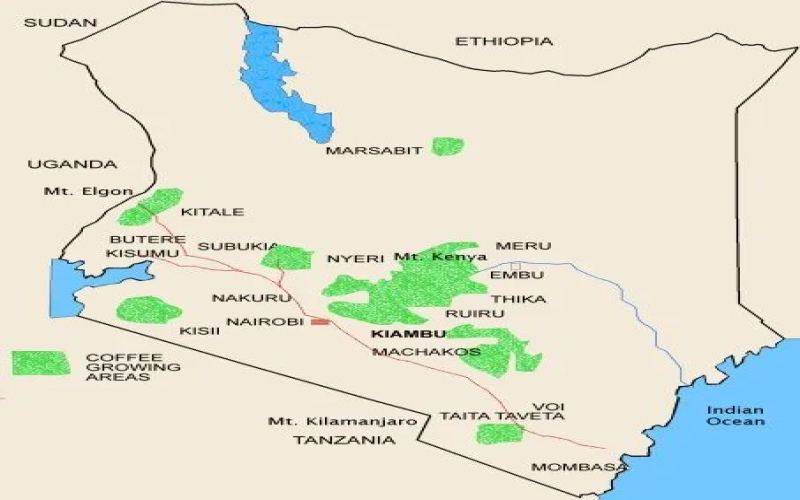
Kenyan Coffee Washed vs. Natural Processing Methods Compared: Flavor Differences, Regional Characteristics, and Brewing Key Points
Kenya, as a representative producing country of African specialty coffee, presents radically different flavor directions in its washed and natural processing methods. This article approaches the topic from the angles of producing region distribution, cultivated varieties, and processing techniques, systematically sorting out the regional characteristics of Kenyan coffee, focusing on comparing the influence of the K72 washed method and natural processing on flavor, and combining specific bean offerings recommended by Front Street Coffee—Hania Estate French Missionary Bourbon natural beans and Asali Honey Processing Station AA TOP washed beans—to present the flavor performance and brewing suggestions of the two beans, helping coffee lovers gain a more comprehensive understanding of the diversity of Kenyan coffee. [more…]